22 October 2026
When to Schedule a Professional Roof Inspection and What It Entails
Presented by @theprofessionalroofdaily
Roofs are tough. They take the sun, the rain, the wind, and the occasional falling branch without complaint. But that doesn't mean they last forever. The tricky part is that most damage happens slowly, hidden from plain sight. By the time you notice a leak or a sagging spot, the problem has already grown. That's why a professional roof inspection matters more than most homeowners realize.
I have spent years working on roofs across Georgia, and I can tell you that the difference between a small repair and a full replacement often comes down to catching issues early. A professional roof inspection is not just about looking for missing shingles. It is a systematic check of the entire roofing system, from the deck to the flashing, the vents to the gutters. It requires knowledge of how different materials age, how local weather patterns stress a roof, and where water is most likely to sneak in.
What Happens During a Professional Roof Inspection
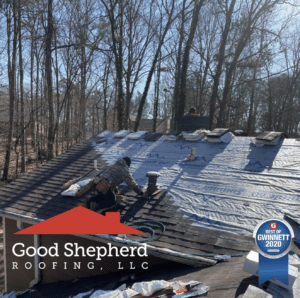
When a trained inspector climbs onto your roof, they are not just walking around. They follow a process. First, they look at the overall condition of the roofing material. For asphalt shingles, they check for curling, cracking, or granule loss. For metal roofs, they look for rust, loose seams, or fastener issues. For flat roofs, they pay close attention to ponding water and the condition of the membrane.
Next, they examine the flashings. These are the metal or rubber pieces that seal the edges around chimneys, skylights, vents, and where the roof meets the walls. Flashing failures are one of the most common sources of leaks, and they are easy to miss from the ground. A professional roof inspection includes testing these areas for gaps or deterioration.
The inspector also checks the gutters and downspouts. Clogged gutters can cause water to back up under the shingles, leading to rot. They look at the attic too, if accessible. Stains on the roof deck, damp insulation, or signs of mold inside the attic often tell a story that the exterior alone cannot reveal.
Why Timing Matters
Most homeowners wait until they see a water stain on the ceiling. By then, the damage has already reached the interior. A better approach is to schedule a professional roof inspection on a regular basis. I recommend at least once a year, ideally in the spring or fall. Spring inspections catch winter damage from ice and snow. Fall inspections prepare the roof for the heavy rains and wind that come with cooler months.
There are also specific events that should trigger an inspection. After a severe storm with high winds or hail, it pays to have someone look at the roof even if nothing looks wrong from the ground. Hail can crack shingles without dislodging them, creating hidden entry points for water. Similarly, if you notice an odd smell in the attic or a sudden spike in your energy bills, moisture in the insulation could be the cause.
What a Professional Inspection Can Uncover
I have walked homeowners through their first inspection and watched their surprise at what we found. Things like a cracked vent boot that had been leaking for months, or a patch of moss that was holding moisture against the shingles. Some issues are small but urgent, like a loose gutter that is pulling away from the fascia. Others are signs of bigger problems, such as a dip in the roofline that suggests the deck is sagging.
A thorough inspection also includes checking the condition of the underlayment, the waterproof layer beneath the shingles. If the underlayment is failing, even a perfect set of shingles will not keep the roof dry. This is the kind of detail that a homeowner might not think to ask about, but a professional roof inspection covers it as part of the standard process.
How to Prepare for an Inspection
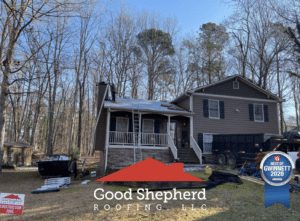
Before the inspector arrives, there are a few things you can do to help the process. Clear any debris from the roof if you can safely reach it. Move vehicles away from the driveway so the inspector can set up a ladder. If you have attic access, make sure it is clear so they can check for leaks and ventilation. Also, gather any records of previous repairs or the age of the roof. This information helps the inspector understand how the roof has been maintained.
During the inspection, feel free to ask questions. A good inspector will explain what they are looking at and why it matters. You should expect a detailed report afterward, usually with photos and a list of recommended actions. Some reports will prioritize repairs by urgency. That helps you plan your budget and decide what to fix first.
The Cost of Skipping an Inspection
Skipping a professional roof inspection might save you a few hundred dollars in the short term, but it can cost thousands later. A small leak that goes unnoticed for a season can rot the deck, damage the insulation, and even lead to mold inside the walls. Insurance companies often require proof of regular maintenance before they cover certain types of damage. Without an inspection record, you might face a denied claim if a storm causes a failure that could have been prevented.
On the other hand, a clean inspection report gives you peace of mind. If you are selling your home, it can also be a strong selling point. Buyers appreciate knowing that the roof has been checked and is in good shape.
What to Look for in an Inspector
Not every roofer offers the same level of thoroughness. When hiring someone for a professional roof inspection, look for a contractor who is licensed and insured, with experience in your type of roofing. Ask if they will inspect the attic and the interior ceilings, not just the exterior. A good inspector will also check the gutters and downspouts, and will take photos of any issues they find.
Some companies include drone inspections for roofs that are steep or hard to access. Drones can give a high-level view, but they cannot replace a hands-on check of flashing and seals. A combination of both is ideal. The important thing is that the inspector is willing to take their time and explain their findings.
An Ounce of Prevention
Roofs are built to last, but they need attention. A professional roof inspection is one of the best investments you can make in protecting your home. It catches small problems before they become big ones, and it gives you a clear picture of what your roof needs to keep performing.
If you live in the Dacula area and need a reliable inspection, Good Shepherd Roofing at 2505 2nd Ave, Dacula, GA 30019, USA, reachable at +1 833-477-7663, offers roof repair, replacement, gutters, and insurance claim support for homeowners.
Connect with us on Instagram.